FIELD REPORT // WHAT-WERE-BUILDING
What We’re Building
An introduction to OVERTIME’s physical repair work, split maintenance procedures, and extraction loop.
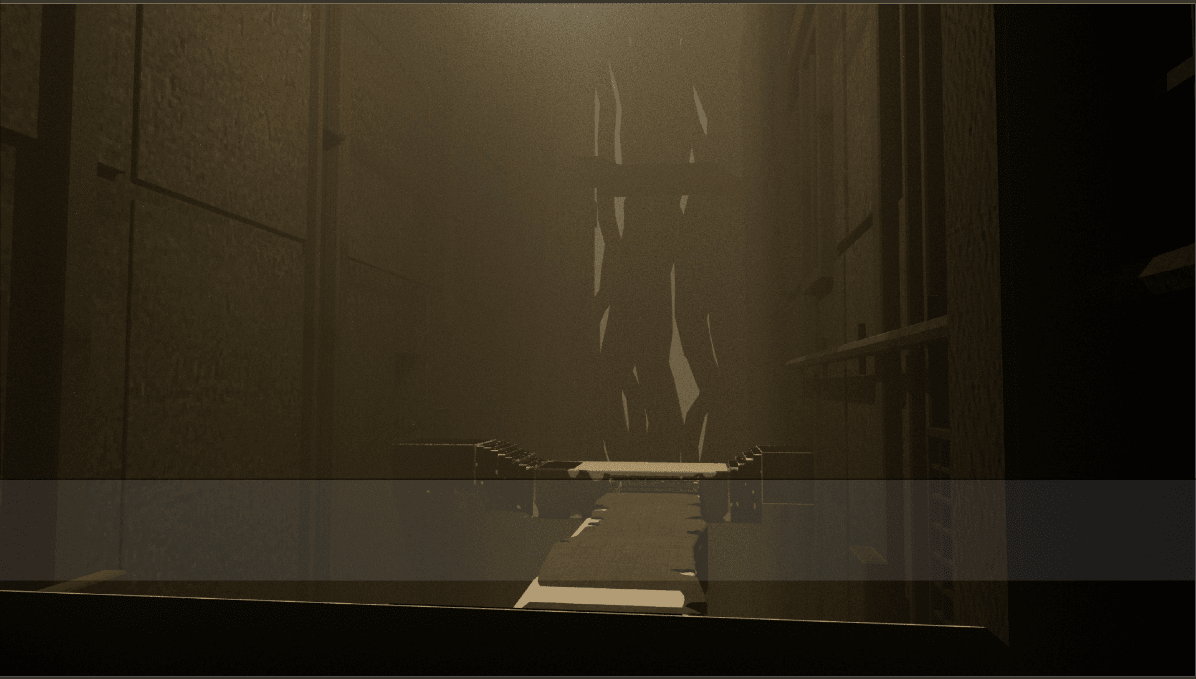
OVERTIME is the working title for a 2–4 player co-op extraction horror game in active development for PC. A crew enters a generated industrial facility, restores five electrical systems, and tries to reach extraction together.
The work is not a set of menu puzzles. It happens on physical machines: switches, dials, instruments, routed connections, removable batteries, and heavy electrical hardware. The machinery is meant to look old, dangerous, and functional because players have to read it as equipment, not decoration.
The machine and the manual are separated
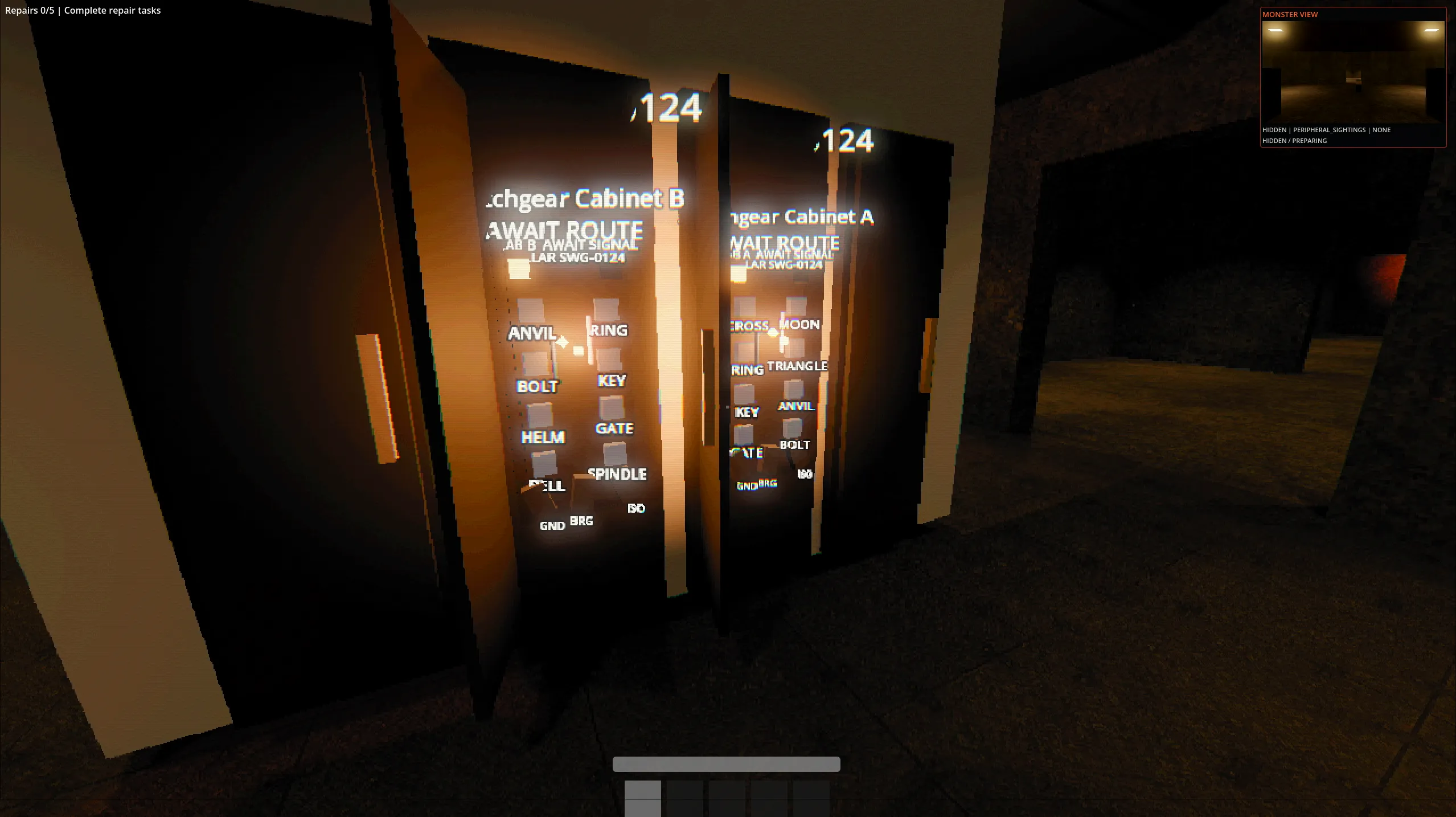
The person standing at a broken machine can see its layout and current state, but not the correct procedure. Another player has to locate the matching maintenance record on a terminal elsewhere in the structure.
That separation turns observation into the main tool. The operator reports a unit code, symbols, positions, or instrument readings. The player at the manual finds the correct route and talks the operator through it over voice.
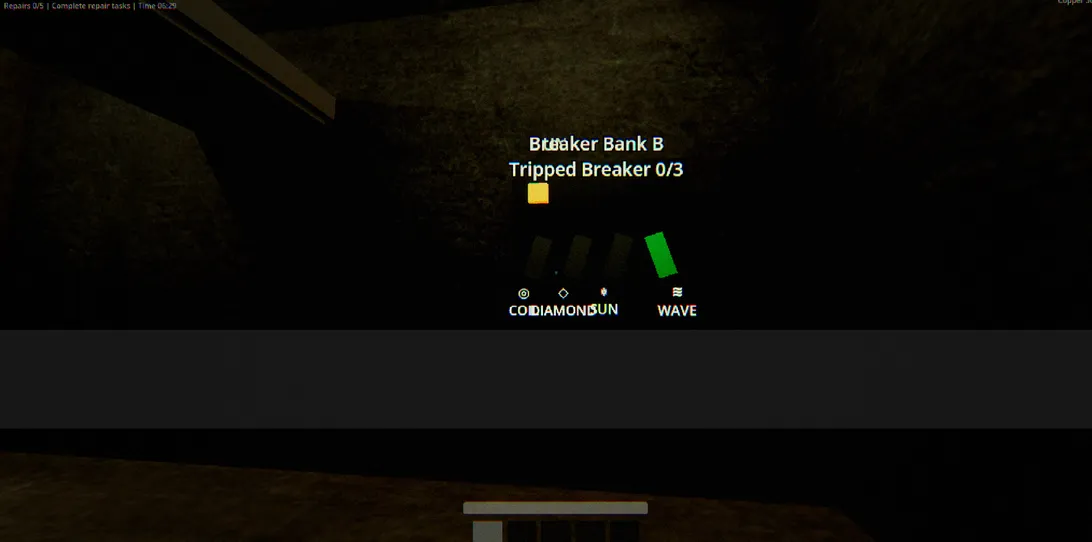
We are building each repair around manipulation that has a clear physical result. A switch changes position. A cartridge leaves the rack and has to be carried. A control changes an instrument reading. Mistakes create consequences, but the work should remain readable and recoverable long enough for the crew to diagnose what went wrong.
The structure is part of the task
Machines and their procedures may be separated by dark corridors, stairs, platforms, and large structural voids. Finding a terminal is only half the problem; the crew also has to describe how to return to the right system.
The environment is generated from authored industrial rooms and connections. The goal is not to explain the entire facility. It is to make every repair feel small against a structure that continues beyond the crew’s light.
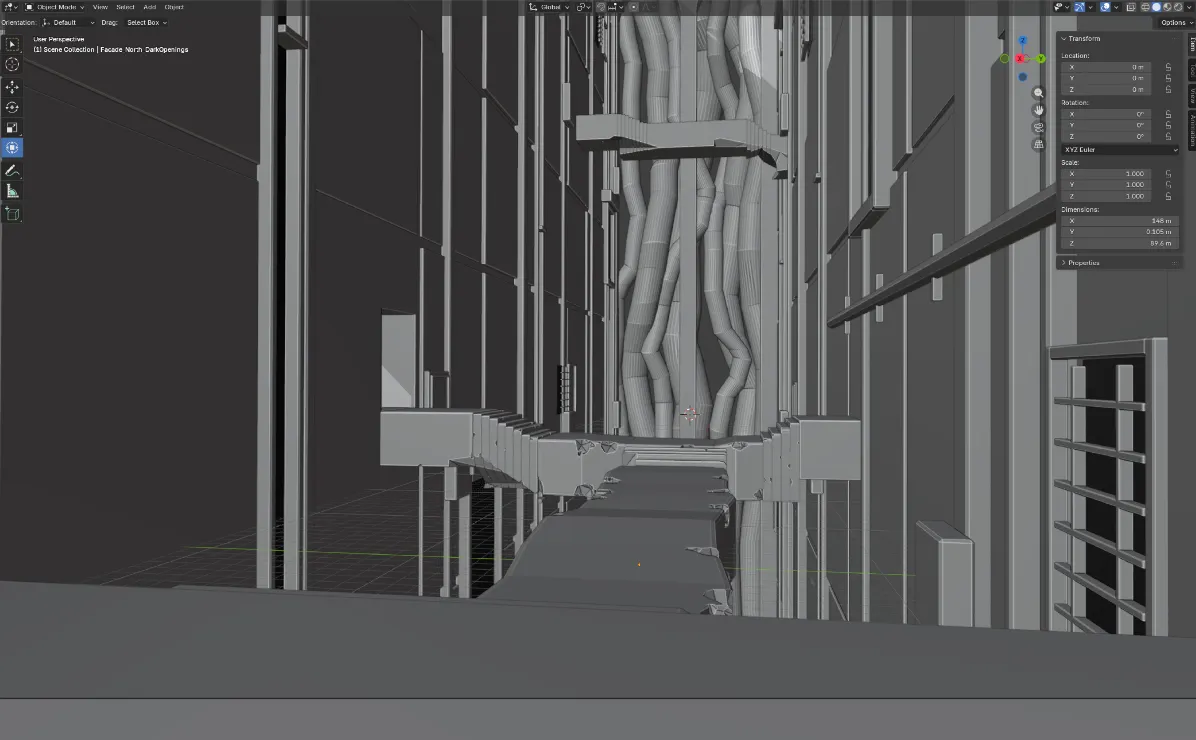
The visual work keeps the palette murky and restrained: concrete, worn metal, deep shadow, dirty utility light, low-resolution texture, and grain. Machines must remain legible inside that darkness without turning the facility into a bright showroom.
Repair, salvage, extract
Five repairs are the mission requirement. Around that job, crews can recover copper from dead machinery or take a larger risk by sacrificing live circuits. Cutting power makes the return route darker. Cargo only matters if it reaches extraction with the crew.
That creates a practical argument during the shift: how much of the facility should stay alive, how much can the crew carry, and when is it time to leave?
Field Reports will document repair systems, environmental work, and changes that follow playtesting. There is no release date to announce yet. For now, this is the job we are building.